
Medical weight management begins with an individualized assessment—not a one-size-fits-all prescription. Our physician-led approach considers weight history, medical conditions, current medications, nutrition, physical activity, sleep, and realistic goals. Patients in Los Angeles and Beverly Hills can discuss appropriate treatment options and a follow-up plan with David Nazarian, MD.
For a focused discussion of treatment types, explore our GLP-1 medication guide, prescription weight-loss medication overview, and nutrition and body composition services. Medication is not appropriate for everyone, and treatment decisions follow clinical evaluation.
Medical weight loss is physician-supervised care that combines a comprehensive health evaluation with evidence-based treatment, nutrition, activity, body-composition monitoring, and long-term planning.
At Weight Loss Clinic Los Angeles, every plan is individualized. We consider your medical history, current medications, previous weight-loss attempts, metabolic health, body composition, lifestyle, treatment preferences, and goals before recommending care.
Medical weight loss is a clinician-directed approach to treating overweight and obesity. It is different from a commercial diet plan or medication-only service because recommendations are made in the context of your overall health.
A medical program may incorporate nutrition and physical-activity recommendations, behavioral strategies, laboratory testing when indicated, body-composition assessment, prescription medication for eligible patients, and ongoing monitoring. Medication is one possible tool—not the entire plan.
The objective is not simply to produce the fastest change on the scale. Effective care aims to reduce excess body fat, preserve lean mass, improve health risks, and create a realistic strategy for maintaining progress.
Weight regulation can be influenced by appetite biology, sleep, stress, medications, medical conditions, nutrition, activity, age, hormones, and genetics. A one-size-fits-all program may overlook factors that are relevant to both safety and results.
Our process begins with a comprehensive physician evaluation. If prescription treatment is appropriate, medication selection and monitoring are individualized rather than based on a standard online protocol.

Care is overseen by Dr. David Nazarian, a board-certified internal medicine physician with extensive experience evaluating weight-management medications, metabolic health, nutrition, supplements, and the medical factors that can affect weight.
Treatment recommendations are based on the whole patient: health history, medications, contraindications, laboratory findings when relevant, body composition, tolerability, response, and long-term goals.
Your plan may use one or several strategies. Recommendations depend on medical eligibility and are adjusted as your needs and response change.

For eligible patients, prescription medication may help with appetite regulation, satiety, food intake, or other pathways involved in weight management. The appropriate choice depends on your medical history and clinical goals.
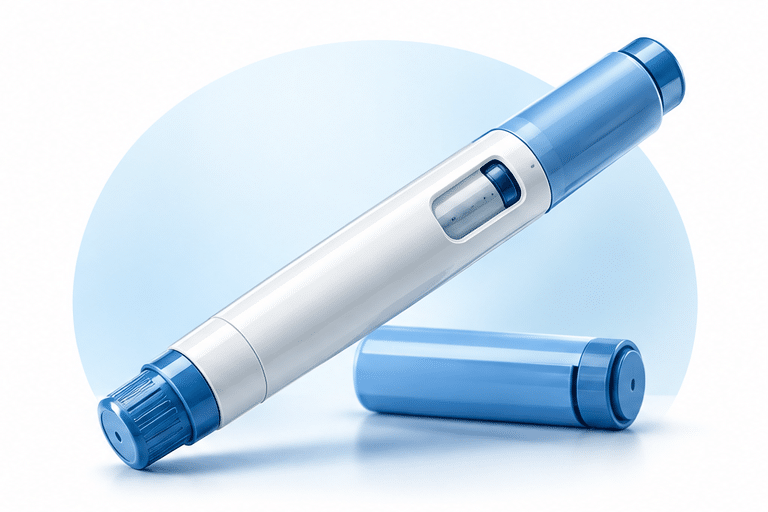
GLP-1 and related medications may be considered for appropriate patients as part of a broader program that includes nutrition, physical activity, medical oversight, and long-term planning.

Nutrition recommendations can address protein, fiber, hydration, meal structure, and sustainable calorie reduction. Body-composition monitoring helps distinguish changes in fat mass from changes in lean mass.

Sleep, stress, physical activity, resistance exercise, medications, and metabolic conditions can influence weight management. These factors may be incorporated into an individualized plan.
Explore metabolic health services and review our physician-guided peptide therapy education hub.
Explore our core medical weight-loss services: Weight Loss Injections · GLP-1 Weight Loss · Weight Loss Medications · Nutrition & Body Composition
Semaglutide is a GLP-1 receptor agonist used for chronic weight management in appropriate patients. It can affect appetite and satiety and is intended to be used with nutrition and physical-activity changes. Our physician-guided Semaglutide program is $300 per month. The initial comprehensive physician evaluation is separate.
Learn more about Semaglutide in Los Angeles
Tirzepatide acts on both GIP and GLP-1 receptors and is used for chronic weight management in eligible adults. Treatment selection should consider indications, contraindications, prior response, side effects, availability, and individual goals. Our physician-guided Tirzepatide program is $499 per month. The initial comprehensive physician evaluation is separate.
Learn more about Tirzepatide in Los Angeles
Prescription treatment requires medical eligibility. Medication, laboratory testing, or additional services may involve separate costs depending on the individualized plan. Pricing and availability may change.
We review your current and previous medical conditions, medications, allergies, family history, weight pattern, prior diets, previous medications, treatment response, and reasons for seeking care.
Weight is considered alongside blood pressure, glucose regulation, cholesterol, sleep, cardiovascular risk, gastrointestinal history, and other clinically relevant factors. BMI can be useful as a screening measure, but it does not describe body composition or health by itself.
When appropriate, body composition is assessed to help establish a baseline and track changes in body fat and lean tissue. This allows the program to focus on the quality—not only the quantity—of weight loss.
Laboratory testing may be recommended based on symptoms, medical history, current treatment, and clinical judgment. Testing is not identical for every patient.
Your plan may include medication, nutrition targets, activity recommendations, resistance training when appropriate, supplements, and strategies addressing sleep, stress, or other health factors.
Follow-up allows the physician to assess effectiveness, tolerability, nutrition, hydration, body composition, and changes in health. Treatment may be adjusted or discontinued when clinically appropriate.
Prescription weight-management treatment may be considered for adults who meet clinical criteria based on BMI and weight-related health conditions. Eligibility also depends on medical history, current medications, contraindications, pregnancy status, previous treatment, and the risks and benefits of each option.
A consultation is necessary because the medication that is appropriate for one person may not be appropriate for another. Some patients may benefit from non-medication strategies, while others may require coordination with their primary-care physician or specialist.
Prescription weight-loss medications can have important contraindications, interactions, adverse effects, and dosing considerations. Medical oversight provides a structured process for patient selection, counseling, gradual dose adjustment when appropriate, and response monitoring.
Depending on the treatment and the individual patient, monitoring may address:
Weight reduction can involve loss of both fat and lean tissue. Preserving muscle is therefore an important part of a thoughtful program, particularly during significant or rapid weight loss.
Depending on individual needs and medical fitness, recommendations may include adequate dietary protein, resistance exercise, appropriate total calorie intake, and body-composition monitoring. These strategies support physical function, metabolic health, and long-term weight maintenance.
Medication may reduce hunger or improve satiety, but sustainable progress still depends on habits and health factors that continue beyond a prescription. Our approach may address meal composition, portion size, protein, fiber, hydration, physical activity, sleep, stress, and realistic maintenance planning.
We also discuss what may happen if medication is reduced or stopped. Weight regain can occur, so maintenance deserves attention from the beginning rather than only after a goal weight is reached.
Reaching your target weight is an important milestone, but maintaining the result requires an individualized plan. At Weight Loss Clinic Los Angeles, our physician may recommend continuing appropriate prescription treatment for a period after reaching a weight goal while patients reinforce sustainable nutrition, physical activity, resistance exercise, and adequate protein intake.
Not necessarily. Some patients benefit from continued treatment because obesity is a chronic condition. We review appetite, weight trends, medication tolerability, medical history, and personal goals before deciding whether to continue, adjust, or discontinue treatment.
When medically appropriate, we may discuss a supervised transition or gradual dose adjustment. However, tapering has not been proven to prevent weight regain. Any changes must be consistent with the medication\u2019s prescribing guidance and your individual circumstances.
Weight regain is common after stopping these medications, although the amount varies. Our maintenance plan emphasizes ongoing monitoring of appetite, weight, body composition, nutrition, and activity; some patients may need long-term medication.
No. These medications affect appetite, fullness, and gastric emptying, but they do not permanently reduce the anatomical size of the stomach.
Your first appointment begins with a comprehensive physician evaluation, including your medical history, current medications, weight history, treatment goals, and a physical examination. We consider medical conditions that may contribute to weight gain or affect treatment, including sleep apnea and clinically relevant hormone or nutritional concerns.
Yes. We offer blood draws in our office during the initial visit. Patients who prefer to complete laboratory testing before their appointment may also arrange testing through an outside laboratory in advance. Tests are selected according to individual clinical needs.
Our medical-grade scales and body composition assessments help us monitor weight and estimated body fat and lean mass. For patients interested in more detailed testing, optional GE Lunar Prodigy DXA scanning is available for a separate fee: $150 for a body composition scan, or $300–$450 for a comprehensive assessment combining body composition and hip and spine bone density testing.
We generally review relevant laboratory results before finalizing a personalized treatment plan. Results are often available within a few days. Your physician then discusses appropriate medications, nutrition, activity, and follow-up based on your history, goals, and contraindications.
We discuss individualized protein targets, nutrition, and physical activity, including resistance exercise when appropriate. Follow-up visits consider weight trends, body composition, appetite, medication tolerability, and overall health.
After your physician reviews your medical evaluation and relevant laboratory results, our team explains your individualized prescription plan. When an injectable medication is appropriate, the physician and trained medical staff demonstrate how to prepare and administer it, review injection technique and safe handling, and answer questions.
Yes. We typically guide patients through their first injection in our office so they can practice with supervision and feel comfortable administering subsequent prescribed doses at home. Patients can contact our office if questions or problems arise.
Usually not. After training, patients generally administer their prescribed injections at home, with follow-up appointments arranged according to their medical needs.
Depending on the prescribed product, eligibility, availability, and applicable requirements, medications may be provided through our office, prescribed to a local pharmacy, or arranged for delivery through an appropriate dispensing channel. Not every option is available for every medication.
When appropriate, we typically arrange approximately a three-month supply. Longer supplies may be considered individually when permitted and clinically appropriate, with scheduled follow-up and ongoing safety monitoring. Actual quantities depend on the product, prescription, dispensing rules, and patient circumstances.
Our medical team is available to address treatment questions, assess side effects, and determine whether additional instruction, evaluation, or changes to the treatment plan are needed. Seek urgent medical care for serious symptoms.
Before prescribing semaglutide, tirzepatide, or another weight management medication, our physician reviews medical history, current medications, relevant laboratory results, treatment goals, and potential contraindications. We specifically ask about a personal or family history of medullary thyroid carcinoma (MTC), multiple endocrine neoplasia syndrome type 2 (MEN2), prior pancreatitis, gallbladder disease, and pregnancy or plans to become pregnant.
These medications are contraindicated in patients with a personal or family history of MTC or MEN2, and in patients with a serious hypersensitivity reaction to the medication or its ingredients. A history of pancreatitis or gallbladder disease requires individualized evaluation and discussion of risks; it is not automatically the same as an absolute contraindication.
We review nausea, vomiting, heartburn or reflux, constipation, diarrhea, and other gastrointestinal symptoms. Depending on the clinical situation, we may recommend dietary changes, hydration strategies, appropriate over-the-counter or prescription symptom relief, or medication adjustments consistent with prescribing guidance. Serious or intolerable adverse effects may require holding or discontinuing treatment and further evaluation.
Weight loss medications such as semaglutide and tirzepatide should not be used for weight loss during pregnancy. Patients should tell us if they are pregnant, may become pregnant, or are planning pregnancy. For planned pregnancy, semaglutide should be discontinued at least two months beforehand. Timing for other medications, including tirzepatide, is discussed individually using the applicable prescribing guidance. Tirzepatide can reduce the effectiveness of oral hormonal contraceptives after starting treatment and after dose increases; additional or alternative contraception may be needed according to its label.
Severe or persistent abdominal pain, repeated vomiting with dehydration, signs of a severe allergic reaction, or other concerning symptoms require prompt medical assessment. Patients should seek emergency care for severe reactions rather than wait for a routine follow-up.
Our medical weight loss program looks beyond the number on the scale. We discuss changes in body fat and lean tissue with patients and perform body composition measurements during follow-up care to help evaluate progress and guide individualized recommendations.
We use medical-grade scales and body composition assessments to follow weight and estimated body fat and lean mass over time. These estimates are interpreted alongside symptoms, nutrition, strength, activity, and overall clinical progress. Lean mass includes more than skeletal muscle and should not be interpreted as an exact measurement of muscle mass.
We discuss individualized protein goals based on patient characteristics and nutritional needs, balanced meals, and appropriate physical activity, including resistance exercise when feasible. We also review appetite control, medication tolerability, and the pace of weight loss so treatment supports sustainable progress rather than unnecessary crash dieting.
Advanced GE Lunar Prodigy DXA scanning is optional and is not included in the standard consultation. A DXA body composition scan costs $150. A more comprehensive assessment combining body composition with hip and spine bone density testing costs $300–$450, depending on the services performed.
Yes. We discuss body composition with patients and perform follow-up testing as appropriate to monitor changes during treatment. The timing and type of measurements are individualized; repeat DXA scanning is not required for every patient.
Eligibility depends on more than BMI. Our physician reviews weight history, medical conditions, medications, prior treatment, goals, and relevant contraindications before discussing options.
Some adults with a BMI of 27 to 29.9 and at least one qualifying weight-related medical condition may meet FDA-approved criteria for certain chronic weight management medications. The specific product indication and safety profile determine eligibility.
In selected circumstances, a physician may consider an individualized off-label prescribing decision after assessing clinical need, available evidence, alternatives, benefits, and risks. Off-label prescribing is not FDA approval for that use and does not mean treatment is appropriate for every patient. Cosmetic weight loss alone does not establish a medical indication.
We consider diabetes or prediabetes, hypertension, dyslipidemia, sleep apnea, and other relevant medical conditions. We also screen for medication-specific contraindications and precautions, including personal or family history of medullary thyroid carcinoma or MEN2, pancreatitis history, gallbladder disease, and pregnancy planning.
We can discuss individualized nutrition, exercise, evaluation of contributing medical conditions, and other appropriate treatment options. Prescribing decisions follow an individualized medical evaluation.
Medical weight loss requires ongoing evaluation, not simply a prescription. We generally arrange an initial follow-up within approximately one month, with earlier or later appointments based on individual needs, treatment response, and patient preferences.
Our team reviews weight trends, blood pressure and other vital signs, body composition, appetite and hunger, medication response, gastrointestinal or other side effects, nutritional intake, and overall well-being. We discuss protein intake and physical activity to support sustainable fat loss and preservation of lean tissue.
Laboratory monitoring is individualized according to medical history, medications, baseline results, symptoms, and treatment response. Not every patient needs the same tests or testing schedule.
Yes. The physician reviews appetite control, progress, tolerability, and product-specific prescribing guidance before deciding whether to maintain or adjust treatment. We do not increase a dose solely because another month has passed.
Yes. Patients can contact our office by phone or email with treatment questions or concerns, and additional appointments can be arranged when clinically appropriate. Serious symptoms require prompt medical evaluation rather than waiting for a scheduled visit.
The initial new-patient consultation costs $450 and includes a comprehensive physician examination addressing overall health as well as weight management, including standard body composition measurements at no additional testing charge. This evaluation includes medical history, physical examination, review of relevant health conditions, and individualized treatment planning. We discuss treatment costs and monitoring needs before starting care. Medication, laboratory testing when separately billed, optional DXA scans, and subsequent physician follow-up visits are additional charges.
Our listed monthly program prices are $300 for semaglutide and $499 for tirzepatide. The specific prescription, dispensing arrangement, and any additional services should be confirmed with our office before treatment. These monthly prices do not include physician follow-up visits.
Physician follow-up appointments typically cost $250 each and are billed separately from medication. During ongoing care, we routinely recommend follow-up approximately every three months, although some patients prefer or require earlier appointments. An earlier review may also be appropriate when starting treatment, adjusting medication, or managing side effects.
Additional testing may involve separate charges. Optional GE Lunar Prodigy DXA body composition scanning costs $150. A comprehensive assessment combining body composition and hip and spine bone density testing costs $300–$450. Please ask our office to confirm consultation fees, laboratory charges, and the total cost of your individualized plan.
Depending on the medication and applicable requirements, prescriptions may be sent to a local pharmacy or supplied through other eligible dispensing arrangements. Pharmacy charges, insurance coverage, and medication availability may vary.
Our physician-led medical weight loss program includes individualized dietary guidance based on each patient’s health, goals, preferences, and treatment response. When appropriate, we discuss calorie and protein targets, food choices, portions, and practical changes to eating habits that support sustainable weight management and preservation of lean tissue.
We can provide tailored menus and meal plans rather than relying on a single diet for every patient. Recommendations can account for food preferences, schedule, health conditions, and the appetite changes that may occur with weight loss medication.
Yes. An optional comprehensive nutrition consultation with a nutritionist costs $300 and is billed separately from the $450 initial physician consultation. During this appointment, patients can review their current eating habits, identify practical dietary changes, and develop more detailed individualized menus, meal plans, and nutritional goals. General individualized nutrition guidance is also discussed during the initial physician visit. Optional follow-up appointments with the nutritionist cost $150 per visit and allow patients to review progress, refine food choices, and adjust individualized calorie targets, protein goals, menus, and meal plans as needed. Nutritionist follow-ups are billed separately from physician follow-up appointments. Both the initial comprehensive nutrition consultation and optional nutritionist follow-up visits are available in person or by telemedicine, when clinically appropriate and permitted by applicable location and licensing requirements.
Yes. Medication does not replace balanced nutrition. We emphasize adequate protein, appropriate nutrient intake, and realistic long-term habits, adjusting the plan when medically indicated.
Nutrition remains important during treatment with GLP-1–based medications. Because appetite and meal size may decrease, patients should prioritize balanced meals, adequate protein, hydration, and nutrient-dense foods rather than simply eating as little as possible. A physician or nutritionist can individualize dietary advice based on health history, treatment response, and dietary preferences.
Include protein-containing foods throughout the day as tolerated. Protein goals should be individualized, especially for people with kidney disease or other relevant medical conditions. Resistance exercise, when appropriate, can help preserve strength and lean tissue during weight reduction.
Smaller meals, slower eating, and limiting foods that aggravate symptoms may help some patients. Avoid forcing large meals when feeling full. Persistent vomiting, inability to maintain fluids, severe abdominal pain, or other concerning symptoms require prompt medical evaluation.
Adequate fluids, gradual increases in dietary fiber when tolerated, and regular movement may help. Constipation that persists or is accompanied by significant pain or vomiting should be reviewed by the treating clinician.
Yes. Our clinic offers general individualized nutrition guidance during medical visits and an optional comprehensive $300 consultation with a nutritionist for tailored menus and meal plans. Optional nutritionist follow-ups are $150. Both nutrition appointment types are available in person or by telemedicine, subject to applicable requirements. The plan can be adapted to appetite changes, food tolerability, protein needs, and long-term weight management goals.
Results vary according to the treatment, starting weight, medical conditions, adherence, dose, duration, nutrition, activity, and individual biology. A consultation can help establish realistic expectations, but no specific result can be guaranteed.
No. Medication is one possible component of medical weight management and is recommended only when clinically appropriate. Some patients may use nutrition, activity, behavioral, or other strategies without prescription weight-loss medication.
There is no single best medication for everyone. The appropriate option depends on medical history, weight-related conditions, contraindications, prior response, side effects, treatment goals, and physician judgment.
A comprehensive medical program evaluates the person—not only the prescription request. It can incorporate health risks, medication interactions, nutrition, body composition, laboratory testing when indicated, side-effect management, and long-term planning.
No. Semaglutide is a GLP-1 receptor agonist. Tirzepatide activates both GIP and GLP-1 receptors. Both require appropriate medical evaluation, and neither is the best choice for every patient.
Follow-up frequency depends on the medication, dose-adjustment period, medical history, response, side effects, and clinical needs. Your physician will recommend a schedule appropriate for your plan.
Yes. Nutrition and body-composition strategies are part of our comprehensive approach. Recommendations are individualized and may include protein, fiber, hydration, meal structure, calorie intake, and muscle-preservation goals.
Yes. Our Los Angeles practice serves patients from Beverly Hills, West Hollywood, Century City, Hollywood, and surrounding communities.
If you are considering physician-guided weight management, schedule a comprehensive evaluation. We will review your health, previous treatment, goals, and appropriate options before developing an individualized plan.
Medical review: Dr. David Nazarian, Board-Certified Internal Medicine Physician. This page is for general education and does not replace individualized medical advice, diagnosis, or treatment. Prescription therapy requires an appropriate medical evaluation. Individual results vary.
A comprehensive consultation may include review of your medical history, current medications, previous weight-loss attempts, metabolic risk factors, body composition, nutrition, sleep, physical activity, treatment preferences, and laboratory testing when clinically indicated.
No. Prescription medication is one potential tool. Some patients may benefit primarily from nutrition, activity, body-composition, sleep, behavioral, or other medical strategies.
Selection depends on indications, contraindications, medical history, treatment goals, prior response, side effects, medication availability, and individual risk-benefit considerations. Compare our Semaglutide and Tirzepatide programs.
Follow-up frequency is individualized based on treatment type, dose changes, response, side effects, nutrition, body composition, and other clinical factors.
Our physician-led practice serves patients from Beverly Hills, West Hollywood, Century City, Westwood, Brentwood, Santa Monica, Culver City, Hollywood, Bel Air, Marina del Rey, Studio City, Sherman Oaks, Downtown Los Angeles, and nearby communities.
Weight Loss Clinic Los Angeles serves patients from throughout the greater Los Angeles area. Patients commonly visit us from Beverly Hills, West Hollywood, Century City, Westwood, West Los Angeles, Brentwood, Santa Monica, Culver City, Hollywood, Hollywood Hills, Bel Air, Marina del Rey, Venice, Malibu, Studio City, Sherman Oaks, Downtown Los Angeles, and surrounding communities.
For patients searching for physician-guided medical weight loss, GLP-1 treatment, weight-loss injections, or medication management near Los Angeles, our team provides individualized evaluation and ongoing medical oversight.
Board-Certified Internal Medicine Physician with extensive experience in medical weight management and metabolic health. Dr. Nazarian uses an evidence-based, integrative 360° approach that considers metabolic health, hormone and vitamin deficiencies, sleep, nutrition, lifestyle, medications and other medical factors that may affect weight. His care emphasizes individualized evaluation, clear communication, safety, ongoing follow-up and long-term success.
Reviewed for clinical accuracy and patient-safety context.
Last medically reviewed: September 12, 2026
Individual experiences vary. Testimonials reflect the experiences of the patients quoted and do not guarantee outcomes.
★★★★★“Dr. Nazarian and his staff are so knowledgeable and friendly. I am finally losing weight! I feel amazing and I’m getting a lot of compliments.”
Andrea Albright — Google review
★★★★★“Dr. Nazarian and his team have made me feel heard and understood as I navigate and try to reach my weight loss goals… His medical weight loss plans feel tailored to each individual.”
A Casey — Google review
★★★★★“I really enjoy coming to see Dr. Nazarian in Beverly Hills for weight loss options… He asked questions about my goals and eating habits… I left feeling optimistic.”
Lizzette L. Schneider — Google review